
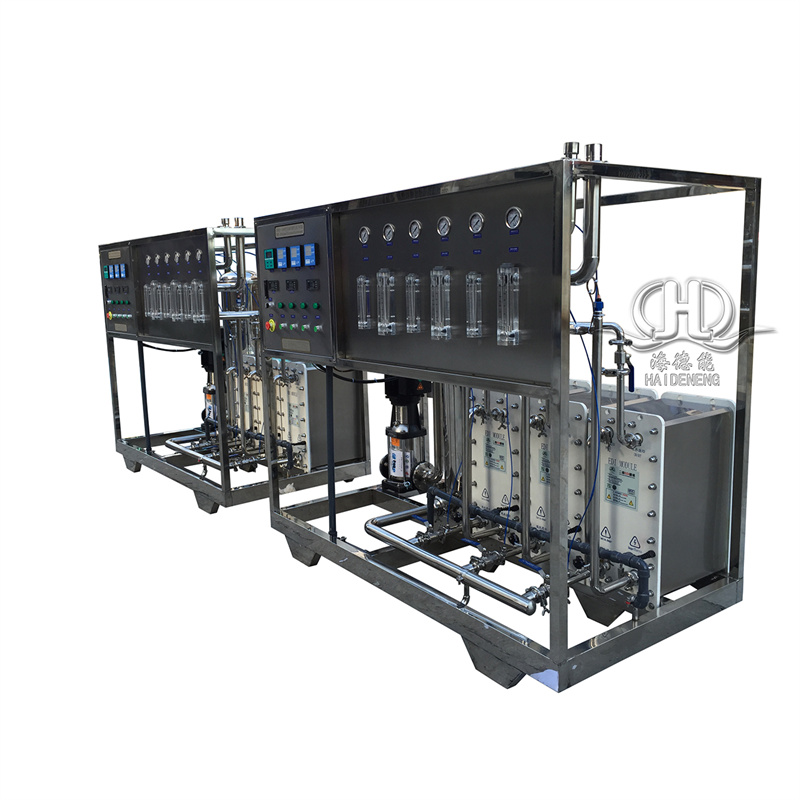
In recent years, the global demand for clean and safe drinking water has surged dramatically, driven by increasing awareness of health risks and environmental concerns. Among various water purification technologies, Reverse Osmosis (RO) water systems have emerged as a preferred choice for households, industries, and municipal water treatment facilities due to their efficiency and reliability. As the market expands, the pricing of Reverse Osmosis Water Systems has become a critical topic for consumers and business stakeholders alike.
Reverse Osmosis water systems operate by forcing water through a semi-permeable membrane that effectively removes impurities, contaminants, and dissolved solids, resulting in purified water that meets rigorous health standards. This technology has been notably instrumental in regions experiencing water scarcity or contamination issues. However, despite their benefits, RO systems were once considered expensive investments, limiting accessibility for many potential users.
**Current Trends in Reverse Osmosis Water System Pricing**
The recent developments in manufacturing processes, material science, and engineering designs have significantly driven down the costs associated with Reverse Osmosis systems without compromising quality. Market analyses indicate a broad price range that caters to different needs—from compact residential units to large-scale industrial setups—ensuring wider adoption.
Entry-level home RO systems have become increasingly affordable, benefiting from mass production and simplified designs. These systems typically feature multiple filtration stages, including sediment and activated carbon filters, alongside the RO membrane, delivering clean water at a fraction of the cost compared to a decade ago. Mid-tier and advanced models offer integrated smart controls, energy-efficient pumps, and enhanced membrane longevity, appealing to tech-savvy users and commercial enterprises.
Industrial Reverse Osmosis Water Systems have also seen cost optimization through modular designs, ease of maintenance, and improved membrane technology. These advancements help reduce operational expenses and downtime, crucial for industries that rely heavily on consistent water quality, such as pharmaceuticals, food and beverage, and electronics manufacturing.
**The Role of Innovation and Environmental Sustainability**
Environmental considerations have become a driving force behind the contemporary development of RO water systems. Companies are now focusing on reducing water wastage and energy consumption associated with the RO process. Innovations such as energy recovery devices, improved water recovery rates, and eco-friendly materials are transforming the market, ensuring that affordable pricing coexists with sustainability.
In addition, manufacturers are increasingly offering tailored solutions to different geographical and industrial needs. For example, RO systems designed for desalination purposes in coastal areas address unique salt and mineral profiles, while systems for agricultural applications emphasize nutrient retention and water recycling.
**Company Spotlight: Wenzhou Haideneng Environmental Protection Equipment & Technology Co., Ltd.**
Leading the way in this evolving landscape is Wenzhou Haideneng Environmental Protection Equipment & Technology Co., Ltd., a pioneering provider committed to delivering reliable and innovative water treatment solutions. With a vision centered on transforming the water around us into the water you need around the world, the company has positioned itself at the forefront of the RO water system market.
Wenzhou Haideneng brings a comprehensive portfolio that spans residential, commercial, and industrial water treatment needs. Their research and development teams work relentlessly to integrate the latest technologies in membrane separation, filtration, and system automation, ensuring high efficiency and cost-effectiveness.
Emphasizing quality and customer satisfaction, the company adheres to stringent manufacturing standards and provides customized after-sales support. This holistic approach enhances user experience and builds long-term trust, crucial factors as water purification becomes a vital necessity worldwide.
**Market Impact and Consumer Benefits**
The combination of technological innovation, strategic pricing, and commitment to environmental stewardship is reshaping the perception and accessibility of Reverse Osmosis Water Systems. Consumers now find it feasible to invest in systems that not only ensure health safety but also align with broader sustainability goals.
Moreover, the competitive pricing dynamics encourage more businesses and municipalities to incorporate RO technology into their water management practices. This shift is anticipated to contribute significantly to meeting global clean water targets as outlined in various international sustainability frameworks.
**Conclusion**
The evolving pricing trends in Reverse Osmosis Water Systems highlight a promising future where clean water becomes more accessible, affordable, and sustainable. Companies like Wenzhou Haideneng Environmental Protection Equipment & Technology Co., Ltd. play a crucial role in this transformation through their innovative solutions and customer-centric approach.
As awareness and demand continue to grow, further advancements are expected in materials, energy efficiency, and system integration—paving the way for RO water systems to become a universal standard in water purification. This progress ultimately aligns with the fundamental goal of ensuring that safe, reliable water is available to people and industries worldwide, fostering better health, economic development, and environmental harmony.