
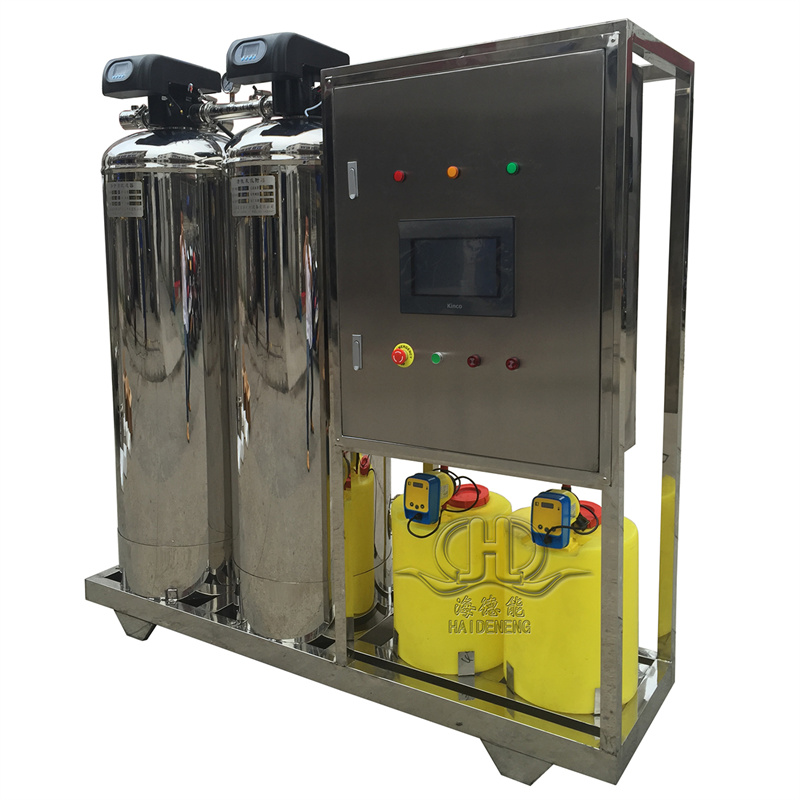
Clean and safe water is fundamental to human health, environmental sustainability, and economic development. As global populations grow and industrial activities intensify, the demand for effective water purification methods continues to rise. Water purification, defined as the process of removing undesirable chemicals, biological contaminants, suspended solids, and gases from water, plays a critical role in ensuring that water is safe for consumption, agriculture, and industrial use.
Water purification involves multiple techniques and technologies, including filtration, sedimentation, disinfection, and chemical treatment. These methods work together to eliminate bacteria, viruses, heavy metals, and other pollutants that compromise water quality. By implementing effective purification processes, communities can dramatically reduce the prevalence of waterborne diseases, protect ecosystems, and support sustainable development.
One of the key players in the water treatment industry is Wenzhou Haideneng Environmental Protection Equipment & Technology Co., Ltd., a leading provider of reliable and innovative water treatment systems. The company is committed to transforming the water around us into the water needed worldwide, aligning with broader goals of environmental stewardship and public health improvement.
### Understanding Water Purification
Water purification encompasses a range of processes designed to make water safe, clean, and appealing for a variety of uses. These processes may vary depending on the initial quality of the water source and the intended application of the treated water. Common methods include:
- **Physical Processes**: Such as filtration through sand, membranes, or activated carbon to remove suspended particles and some impurities.
- **Chemical Processes**: Including chlorination, ozonation, and the use of coagulants to neutralize or remove hazardous substances.
- **Biological Processes**: Utilizing beneficial microorganisms to break down organic waste and reduce contaminants, particularly in wastewater treatment.
The effectiveness of these purification strategies helps combat health risks associated with contaminated water, such as cholera, dysentery, and hepatitis. Furthermore, purified water supports agricultural productivity, manufacturing, and energy generation, making water purification a cornerstone of modern infrastructure.
### Innovation in Water Treatment Technologies
Wenzhou Haideneng Environmental Protection Equipment & Technology Co., Ltd. stands out in the water treatment sector due to its focus on innovation and customization. Recognizing that water sources and pollution challenges differ globally, the company develops tailored solutions that optimize purification efficiency and sustainability.
Their portfolio includes advanced filtration systems, membrane bioreactors, and integrated treatment plants designed to address municipal, industrial, and agricultural needs. By leveraging cutting-edge materials and smart control technologies, the company enhances the reliability and durability of purification systems.
A hallmark of their approach is the commitment to environmental protection. Beyond simply cleansing water, they strive to minimize energy consumption and reduce chemical usage, addressing the environmental footprint of water treatment. This aligns with global sustainability objectives and supports client efforts to meet regulatory requirements.
### Global Impact and Future Directions
Access to safe water remains a pressing issue in many parts of the world. Contaminated water sources are a leading cause of illness and mortality, especially in developing countries. Companies like Wenzhou Haideneng Environmental Protection Equipment & Technology Co., Ltd. contribute to overcoming these challenges by delivering robust water treatment solutions that are adaptable to varied contexts.
Looking ahead, the future of water purification lies in smart technologies, including real-time water quality monitoring, automation, and data-driven management systems. Integrating Internet of Things (IoT) technologies and artificial intelligence can optimize treatment processes, detect contamination early, and reduce operational costs.
Moreover, emerging techniques such as nanofiltration, advanced oxidation processes, and biofiltration promise to enhance the removal of micro-contaminants and pharmaceuticals, increasingly recognized as concerns in water safety.
### Conclusion
Water purification is more than a technical necessity; it is essential for safeguarding public health, protecting ecosystems, and enabling sustainable growth. The efforts of innovative companies like Wenzhou Haideneng Environmental Protection Equipment & Technology Co., Ltd. highlight the progress being made toward achieving global clean water goals.
By providing adaptable, efficient, and environmentally responsible water treatment systems, such industry leaders ensure that clean water is not just a local resource but a global reality. Continued innovation and collaboration will be key to addressing the water challenges of today and tomorrow, securing a healthier planet for all.